
Treks by
The best time to visit is from October to March when the weather is pleasant and wildlife tours are in full swing. Avoid the peak monsoon season due to humidity and travel interruptions.
By Road: Connected via NH-309. Taxis and buses are available from Nainital, Ramnagar, and Haldwani. By Train: Nearest station is Ramnagar Railway Station (30 km). By Air: Closest airport is Pantnagar Airport (approx. 55 km).
{}
393 meters
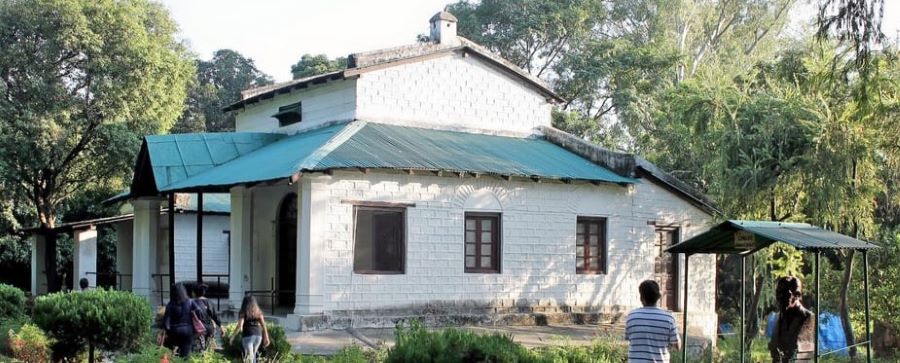
Jim Corbett Museum, Kaladhungi is a heritage site located in the peaceful village of Chhoti Haldwani near Kaladhungi, Uttarakhand. Once the winter home of legendary hunter-turned-conservationist Jim Corbett, the museum offers a deep dive into his life, legacy, and contributions to wildlife conservation in India. Surrounded by serene greenery and colonial architecture, the museum showcases Corbett’s personal belongings, including his rifle, manuscripts, letters, and photographs from his hunting days.
The Jim Corbett Museum is located in Chhoti Haldwani, a small village near Kaladhungi in the Nainital district of Uttarakhand. Set on the edge of the Kumaon foothills, it lies around 26 km from Nainital and 30 km from Ramnagar. The museum is housed in the colonial-era bungalow of the legendary hunter-turned-conservationist Jim Corbett, offering a peaceful and historically rich experience.
The Jim Corbett Museum is housed in the former residence of Edward James "Jim" Corbett, a British hunter, tracker, author, and conservationist born in Nainital. The bungalow in Chhoti Haldwani, Kaladhungi was his winter home and is now preserved as a museum. Corbett gained fame for hunting man-eating tigers and leopards in the Kumaon region but later dedicated his life to wildlife conservation. He was instrumental in the establishment of India’s first national park in 1936—later renamed Jim Corbett National Park in his honor. The museum contains original manuscripts, letters, personal items, weapons, and furniture used by Corbett, providing an intimate look into his life and work. His transformation from hunter to protector of wildlife reflects a major cultural shift in India's conservation history.